India has over 600 million people under the age of 25. If we fail to teach them AI basics today, we risk losing the most defining technological opportunity of this century. That is the urgent message from Jaspreet Bindra, Co-founder of AI&Beyond and one of India’s foremost AI literacy advocates.
AI Literacy Is the New Fundamental Skill
Jaspreet Bindra has long argued that AI literacy is no longer a niche technical skill — it is a fundamental life requirement, much like reading and arithmetic. In his view, the shift from digital literacy to AI literacy represents the next major leap in national progress. Just as we wouldn’t send a child into the world without teaching them to read, we can no longer send them into the workforce without teaching them how to interact with, question, and responsibly use AI.
India’s Moment — And the Risk of Missing It
India is already the fastest-growing major economy and produces some of the world’s best tech talent. Yet foundational AI understanding remains absent in most schools, especially beyond metro cities. Bindra warns that without systemic AI education, India risks creating a new digital divide — one where a small elite uses AI powerfully while the vast majority remain passive consumers of it. National initiatives like Digital India and Atmanirbhar Bharat are pushing AI into every corner of life, and AI could add up to $500 billion to India’s GDP by 2030 — but only if the next generation is ready.
The CBSE Mandate Is a Start — But Not Enough
The Government of India has made AI and Computational Thinking mandatory from Class 3 onwards, starting the 2026–27 academic year. Over 18,000 CBSE schools already offer AI as a skill subject from Class 6, and teacher training is being rolled out through the NISHTHA programme. Bindra co-created the YUVA AI for All initiative with IndiaAI Mission — a free, accessible AI literacy course designed for students with zero technical background — which CBSE has now directed all affiliated schools to promote. This is meaningful progress, but Bindra is clear: policy alone won’t close the gap.
What Schools Must Actually Do Differently
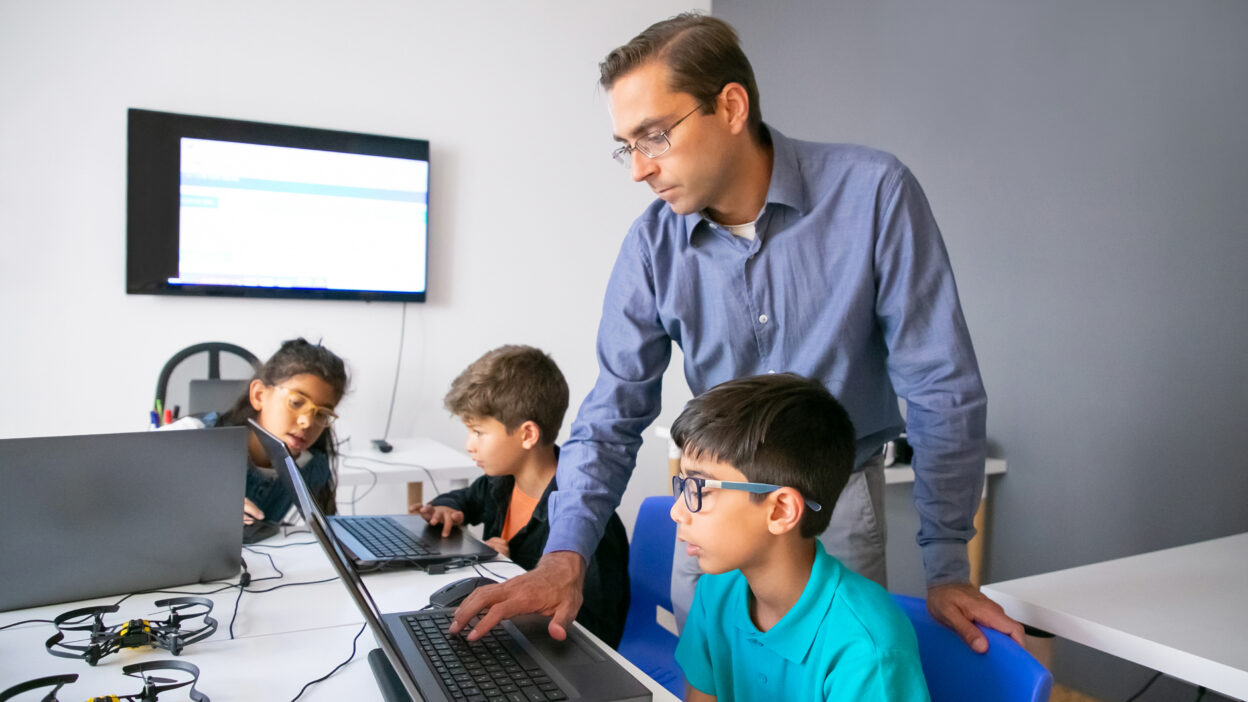
Bindra’s core argument is that schools must stop treating AI as an elective and start embedding it across every subject. Here’s what actionable AI education looks like:
- Teach AI thinking, not just AI tools — critical evaluation of AI outputs, bias detection, and ethical usage
- Train teachers first — AI-confident educators are the backbone of AI-literate classrooms
- Make it accessible for Tier 2 and Tier 3 cities — rural students cannot be left behind in this revolution
- Focus on confidence, not just curriculum — Bindra notes the real barrier to AI adoption is cultural permission and confidence, not just knowledge
The Cost of Waiting
Every year schools delay meaningful AI education is a year a child grows up thinking AI is something that happens to them rather than something they can shape. Jaspreet Bindra’s message is simple and urgent: the classroom is where India’s AI future is either won or lost — and the time to act is right now.dy here. As AI tools grow more powerful and geopolitical tensions remain high, the responsibility falls on both platforms and individuals to approach war content with intention, discernment, and compassion for their own minds.